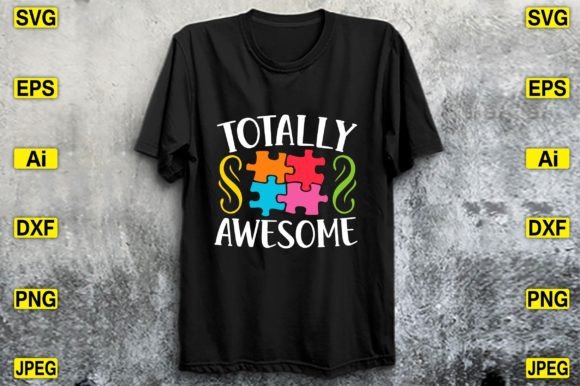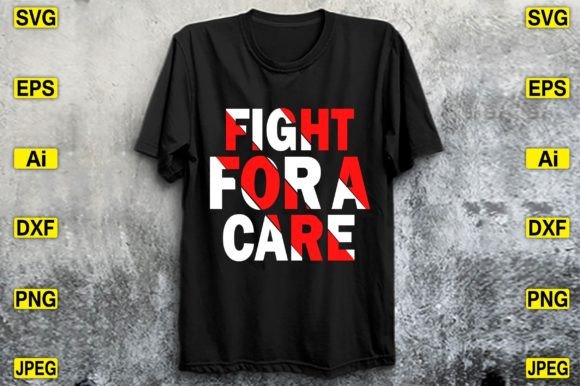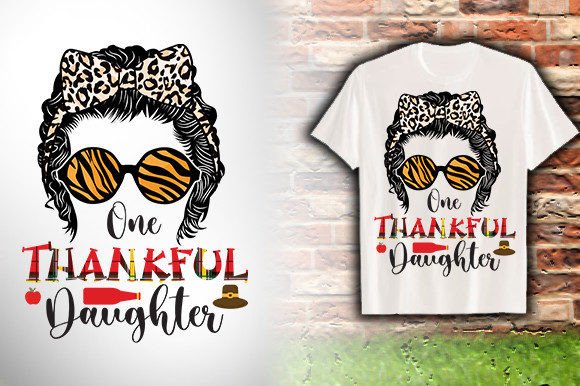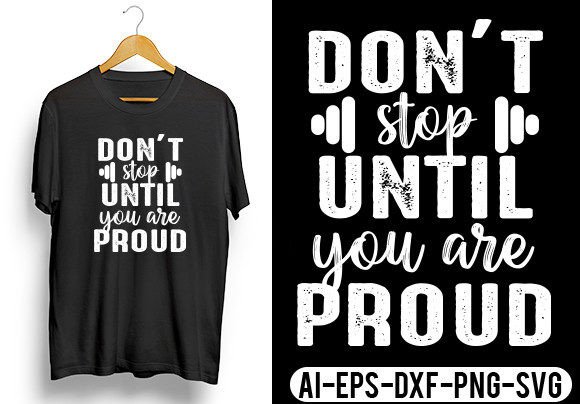
Graphics for T-Shirt Designs: A Brand Review
As a brand designer and content marketer, I approach every new graphic design asset with a critical eye. It is not enough for a visual to simply look good; it must perform under the pressure of real-world marketing campaigns. Recently, I evaluated the Even Without Seeing Allah We Feel T-shirt design to determine its viability for small business branding and digital product launches. This review explores how this specific asset fits into a broader strategy for visual content creation.
First Impressions and Emotional Tone
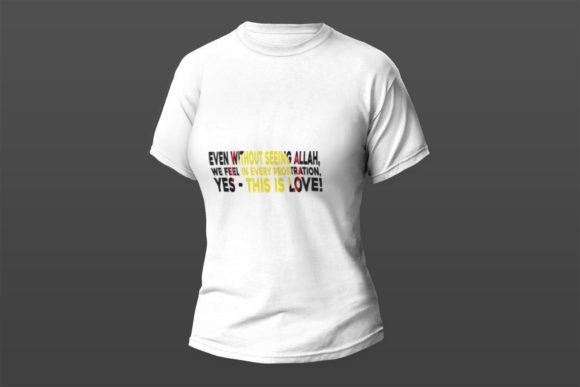
The initial impact of the Even Without Seeing Allah We Feel T-shirt design is one of quiet confidence. In a marketplace saturated with loud, aggressive visuals, this piece offers a moment of reflection. For brand owners, this mood is invaluable. It creates an emotional connection that goes beyond transactional sales. When I placed this design in a mockup for a lifestyle content campaign, it did not scream for attention. Instead, it invited the viewer to pause. This subtle approach is ideal for brands focusing on community, faith-based values, or mindful living.
The aesthetic feels suitable for casual branding but retains enough sophistication for premium visuals. It avoids the clutter often found in lower-quality T-Shirt Designs. For marketers, this means the asset can support content that needs to attract attention without looking messy or unprofessional. It bridges the gap between personal expression and commercial appeal, making it a versatile tool for various audience segments.
Integrating into Real Marketing Workflows
To test its practical value, I imagined a scenario where a small business is launching a seasonal offer while refreshing its social media visuals. The Even Without Seeing Allah We Feel T-shirt graphic served as the anchor for this campaign. We used it not just for apparel, but as a central element in a broader design bundle aimed at building audience trust.
In terms of application, this digital product performs well across multiple channels. For social media graphics, such as Instagram posts and Pinterest pins, the design provides a strong focal point. It works effectively as a hero graphic for blog headers, ensuring that the visual hierarchy remains clear. When used in email banners, it adds a layer of professional branding that distinguishes the sender from generic promotional noise.
For those creating printable design materials, such as event flyers or posters, the asset maintains its integrity. It pairs well with both serif and sans serif fonts, allowing for flexible typography choices. However, it is crucial to test readability in small sizes. While it shines in large formats like packaging design or product labels, it may lose detail if scaled down too aggressively for mobile ads.
Supporting Core Marketing Goals
The primary goal of any commercial design is to enhance brand recognition. The Even Without Seeing Allah We Feel T-shirt contributes to this by offering a distinct visual identity. It helps create a consistent look across all touchpoints, from website headers to digital ads. This consistency builds audience trust, a critical factor for online coaches and product creators who rely on personal connection.
Furthermore, the design supports stronger first impressions. In a crowded creative marketplace, standing out requires more than just color; it requires meaning. This asset provides that meaning, fostering an emotional connection that leads to better engagement. For content marketers, this translates to more memorable campaign visuals that resonate with the target demographic long after they have scrolled past.
Versatility Across Platforms
- Social Media Covers: Use as a background element with overlay text for Facebook or LinkedIn banners.
- Packaging Accents: Incorporate into box designs or thank-you cards to reinforce brand values.
- Lead Magnets: Feature in PDF guides or eBooks to add visual interest and professional polish.
- Merchandise: Beyond t-shirts, apply to stickers, mugs, and tote bags for a cohesive product line.
Strategic Limitations and Careful Usage
While versatile, this asset is not a universal solution. Brand designers must exercise caution when using it in formal corporate branding. The informal, heartfelt nature of the design may clash with strict corporate guidelines. Additionally, it should be used carefully in dense information layouts. If the design competes with the main message, it can distract rather than enhance.
Avoid placing this illustration on low-contrast backgrounds. Visual hierarchy suffers when the design blends into the backdrop. Similarly, for overly minimal brands, the emotional weight of the graphic might feel out of place. Always preview the asset on mobile screens to ensure it does not appear cluttered. Text-heavy ads should also be approached with care, as the design needs breathing room to communicate its message effectively.
Practical Designer Notes for Implementation
Before integrating the Even Without Seeing Allah We Feel T-shirt into a paid campaign, I recommend several technical checks. First, test it with your existing brand color palette. Ensure that the colors complement rather than conflict. Check black and white usage to verify that the design remains recognizable without color dependency.
Place the asset inside real campaign mockups to gauge its impact. Compare it against competitor visuals to ensure differentiation. Review spacing and balance, especially if combining it with other clipart or SVG design elements. Confirm commercial licensing before using it in client work or business branding. This step is vital for maintaining legal compliance and professional standards.
Finally, consider how it pairs with different font styles. While it works well with handwritten and display fonts for a casual feel, ensure the combination does not sacrifice legibility. For Canva template creators, providing multiple layout options can help users adapt the design to their specific needs.
Conclusion: A Valuable Asset for Thoughtful Brands
The Even Without Seeing Allah We Feel T-shirt is more than just a printable sublimation design; it is a strategic tool for brand communication. For small business owners, digital sellers, and creative entrepreneurs, it offers a way to convey depth and authenticity. By understanding its strengths and limitations, marketers can leverage this graphic design asset to create compelling, trustworthy, and visually consistent campaigns. Whether used for editorial design, web design, or physical products, it stands as a testament to the power of meaningful visuals in modern marketing.